What to Do After Damaging a Dental Crown
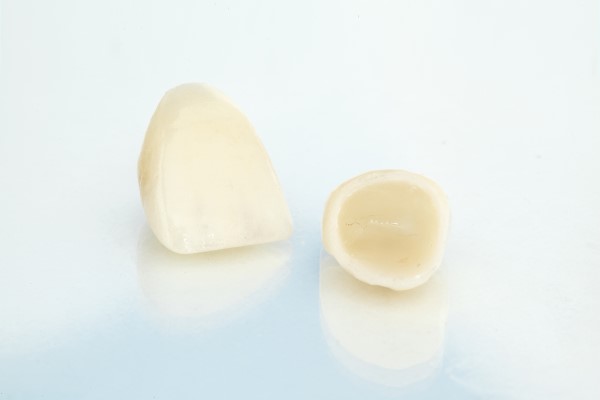
A damaged dental crown can disrupt daily life and put the underlying tooth at risk for further complications. When a dental crown chips, loosens, or breaks entirely, prompt action can help prevent discomfort, infection, or more extensive dental work. Understanding the proper steps to take ensures the best chance of preserving oral health and restoring function.
Identify the type of damage
Not all dental crown damage requires emergency care, but it is important to determine the severity of the issue. Minor chips or wear may not cause immediate pain, but still require attention to prevent worsening. A completely dislodged crown or one that causes sharp edges, swelling, or sensitivity demands faster intervention.
The type of material the crown comprises also influences the situation. Porcelain, ceramic, and resin dental crowns may be more prone to chipping than metal or zirconia options. Regardless of the material, any visible damage or discomfort signals a need for professional evaluation.
Avoid further damage or discomfort
Until the dentist can assess the dental crown, taking steps to protect the area minimizes the risk of complications. Patients should also avoid chewing on the side of the damaged crown and stick to soft foods. Extremely hot, cold, or sticky items may irritate the exposed tooth or dislodge the crown further.
If a dental crown falls off completely, patients should gently clean and restore it in a safe container. Attempting to reattach it without professional guidance could cause additional damage to the structure or soft tissues. Over-the-counter (OTC) dental cement may offer temporary relief in some situations, but this solution is not a substitute for professional dental care.
Schedule a dental appointment promptly
Even if the dental crown appears stable or causes no pain after using OTC dental cement, it is essential to contact the dental office as soon as possible. Delaying care increases the risk of decay, infection, or structural damage to the underlying tooth. In some cases, bacteria can enter through small cracks or exposed margins and create complications that require more complex treatments.
During the visit, the dentist will examine the dental crown and tooth using visual inspection and possibly diagnostic imaging, like X-rays. Treatment options vary depending on the extent of damage. A small chip may only need polishing or bonding, while a fully compromised crown may require full replacement. If the supporting tooth shows signs of decay or structural weakness, additional procedures such as core buildup or root canal therapy may be recommended.
Prevention for the future
Even after seeing a general dentist to restore or replace a dental crown, patients need to take precautions to ensure the lifespan of the new crown. Consider the following precautions:
- Wear a custom night guard if clenching or bruxism (teeth grinding) is present
- Avoid using the teeth as tools to open packages or biting hard objects
- Maintain proper oral hygiene to prevent gum disease, which can weaken the teeth underneath the crown
- Schedule regular dental checkups to monitor the condition of crowns and surrounding teeth
Restore comfort and function quickly at Creating Smiles Family Dental PC
A damaged dental crown does not need to lead to long-term problems if managed promptly and correctly. Have you damaged or lost your crown? Contact our Bloomfield office immediately to schedule an appointment.
Request an appointment here: https://creatingsmiles.dental or call Creating Smiles Family Dental PC at (973) 302-2082 for an appointment in our Bloomfield office.
Check out what others are saying about our dental services on Yelp: Dental Crowns and Dental Bridges in Bloomfield, NJ.
Recent Posts
Dental bridges replace missing teeth, restoring smile appearance and bite function. They are noninvasive tooth replacements that rely on the surrounding teeth or dental implants for support. A general or cosmetic dentist will create a dental bridge custom-fit to the patient’s smile, ensuring a natural-looking restoration and optimal oral health.Dental bridges are named for the…
Dental bridges are one of the top solutions to get back your smile after losing one or multiple teeth. Patients everywhere need tooth replacement due to a variety of reasons. Seeing your dentist regularly is the most effective way to prevent the loss of teeth. Your oral hygiene should be a number one priority in your…
Dental fillings are the most common way to repair simple cavities and restore normal tooth function. Because there are so many options in dental filling materials, choosing the right type of dental filling depends on factors such as durability, appearance, and cost. Understanding these options helps the patient make an informed decision.Dental fillings repair teeth…
An emergency dentist visit can provide fast relief when severe tooth pain, swelling, bleeding, or dental trauma disrupts the day. Dental emergencies often happen without warning and can quickly affect comfort, speech, eating, and overall peace of mind. Knowing what happens during same-day care can help patients feel more prepared and less overwhelmed when urgent…